
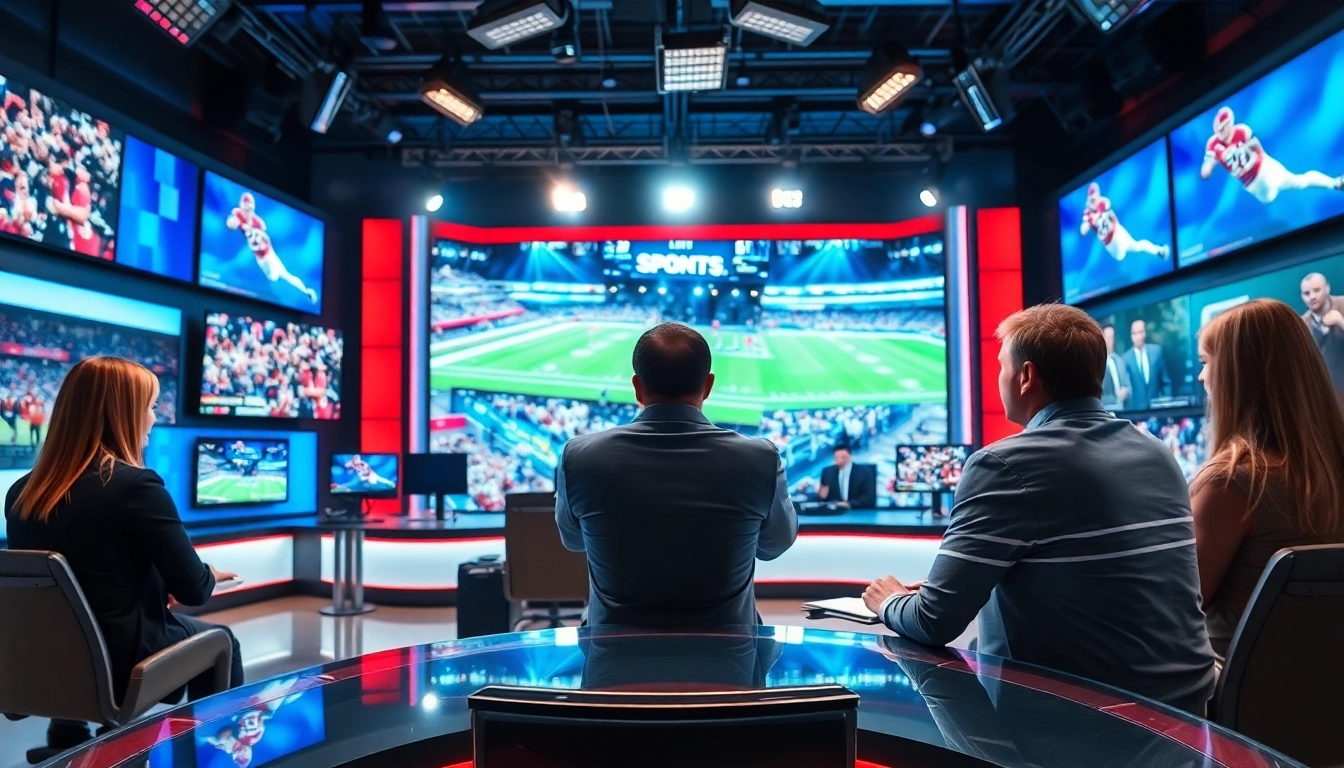
Understanding Sports Broadcasting
What is Sports Broadcasting?
Sports Broadcasting encompasses the live airing and recording of sporting events, aiming to share the excitement of sports with a vast audience. This form of media delivers various content, including pre-match analysis, live commentary, post-match insights, and highlights. With the growth of technology and an increasing demand for on-the-go access to sports content, Sports Broadcasting has evolved dramatically to include multiple platforms and methods of engagement.
History and Evolution of Sports Broadcasting
The origins of sports broadcasting date back to the early 20th century, with radio broadcasts featuring major sporting events. The first-ever broadcast of a live sporting event was a baseball game in 1921. In the following decades, television revolutionized the way audiences consumed sports, introducing visual elements that enhanced the experience. The widespread adoption of cable TV in the 1980s provided dedicated sports channels, intensifying competition and enhancing production quality. In the present day, the rise of the internet and mobile devices has shifted focus to digital platforms and streaming services, further amplifying audience reach and interactivity.
Key Components of Effective Sports Broadcasting
To effectively engage viewers, sports broadcasting relies on several essential components:
- Quality Commentary: Expert commentators provide engaging narratives, contextual analysis, and real-time insights that enhance the viewer experience.
- Production Quality: High-definition video, dynamic camera angles, and seamless transitions are vital for retaining viewer attention during broadcasts.
- Interactive Elements: Incorporating polls, chats, or social media engagement fosters a closer connection between the audience and the broadcast.
- Distribution Channels: Choosing appropriate platforms for broadcasting—TV, web, or mobile—is crucial for reaching target viewership effectively.
Technology in Sports Broadcasting
Broadcasting Equipment and Software
Modern sports broadcasting relies heavily on sophisticated equipment and software solutions. Cameras equipped with 4K and 8K capabilities enable high-resolution coverage of sporting events, while drones provide dynamic aerial views. Furthermore, graphics software enhances broadcasts with real-time statistics and player information. Audio quality is equally critical; advanced microphones and soundboards ensure clear commentary and ambient sounds are transmitted to audiences without distortion.
Impact of Streaming Services on Sports Broadcasting
Streaming services have transformed the landscape of sports broadcasting by offering viewers unprecedented flexibility and accessibility. Platforms like ESPN+, DAZN, and others enable users to watch live events on their devices, bypassing traditional cable subscriptions. This shift caters to a younger audience that favors on-demand content and personalized viewing experiences. Moreover, streaming services often provide multi-camera angles and interactive features that enhance viewer engagement.
Future Trends in Sports Broadcasting Technology
The future of sports broadcasting is poised for exciting advancements. Innovations like augmented reality (AR) and virtual reality (VR) are on the horizon, promising immersive viewing experiences that allow fans to ‘step into’ the game. Additionally, artificial intelligence is expected to play a role in analyzing viewer preferences and tailoring content to individual tastes. With these technologies, broadcasters can create more personalized and engaging experiences, ensuring viewers feel involved and connected to the events they love.
Legal Aspects of Sports Broadcasting
Understanding Broadcasting Rights
Broadcasting rights are legal agreements between content owners, such as sports leagues or teams, and broadcasters or streaming services. These rights dictate how, when, and where sporting events can be aired. As the demand for live sports continues to grow, acquiring these rights has become increasingly competitive, impacting revenue and market dynamics across the industry.
Copyright Issues in Sports Broadcasting
Copyright laws protect the creative elements of sports broadcasts, including logos, graphics, and audio. Broadcasters must avoid infringement to prevent lawsuits that could curtail broadcasting rights and jeopardize financial investments. As technology evolves, so does the implementation of copyright regulations, putting pressure on broadcasters to understand and comply with legal frameworks effectively.
Impact of Regulations on Sports Broadcasting
Regulatory bodies play a crucial role in shaping sports broadcasting. Regulations can cover everything from advertising practices during broadcasts to the amount of national versus local content. These frameworks ensure that fair access is maintained across the board, fostering a competitive environment that can offer varied experiences to viewers while protecting consumer rights.
Audience Engagement Strategies in Sports Broadcasting
Building a Loyal Viewership Base
To build a loyal viewership, broadcasters must prioritize consistency, quality, and trust. Offering pre-game shows, behind-the-scenes content, and exclusive interviews can deepen audience investment. Engaging with viewers through surveys and feedback can help tailor future broadcasts to meet the audience’s preferences, ultimately fostering more robust loyalty.
Utilizing Social Media for Interactive Broadcasting
Social media serves as an essential tool for sports broadcasters to connect with their audience in real-time. Live-tweeting during games, conducting Q&A sessions, and sharing highlights can boost engagement. Moreover, user-generated content, such as fan reactions and commentary, can be integrated into broadcasts, creating a community feel and enhancing viewer participation.
Personalizing the Sports Viewing Experience
In an era where customization is paramount, broadcasters are shifting towards personalized viewing experiences. Using data analytics, broadcasters can segment their audiences and deliver tailored content based on preferences or viewing behavior. Features such as customizable notifications, selective camera angles, and personalized highlight reels contribute significantly to improving overall satisfaction.
Metrics for Success in Sports Broadcasting
Analyzing Viewership Ratings
Analyzing viewership ratings is fundamental for understanding audience engagement and determining the success of broadcasts. Ratings provide insights into which events draw the most viewers, helping broadcasters strategize programming decisions. Real-time analytics tools allow for immediate feedback, enabling data-driven approaches to enhance future broadcasts.
Key Performance Indicators for Broadcasters
Broadcasters must identify relevant Key Performance Indicators (KPIs) to measure their success effectively. These may include viewer uptime, interaction rates on social media, advertising revenue, and subscription numbers for streaming platforms. Regularly reviewing these indicators aids in adapting strategies to improve content delivery and audience satisfaction.
Adjusting Strategies Based on Audience Feedback
Audience feedback is critical for broadcasters to refine their strategies. Conducting regular surveys, tracking social media mentions, and analyzing viewer comments provide invaluable insights into what resonates with the audience. Implementing changes based on this feedback not only shows viewers that their opinions matter but also positions broadcasters to continually enhance the viewing experience.
Frequently Asked Questions
What is sports broadcasting?
Sports broadcasting refers to the live coverage and recording of sports events through various media platforms. It encompasses commentary, analysis, and highlights to engage viewers.
How has technology changed sports broadcasting?
Technology has introduced high-definition visuals, interactive features, and streaming platforms, allowing for a more immersive and accessible viewing experience.
What are broadcasting rights?
Broadcasting rights are legal agreements that allow broadcasters to air sports events. They specify how and when the content can be transmitted to audiences.
Why is audience engagement important in sports broadcasting?
Audience engagement builds loyalty and viewer retention. It fosters a community around the broadcast, enhancing viewer satisfaction and increasing revenue through advertising.
What metrics are essential for sports broadcasters?
Key metrics include viewership ratings, audience interaction rates, and revenue generated. Monitoring these helps broadcasters adjust strategies for better performance.